

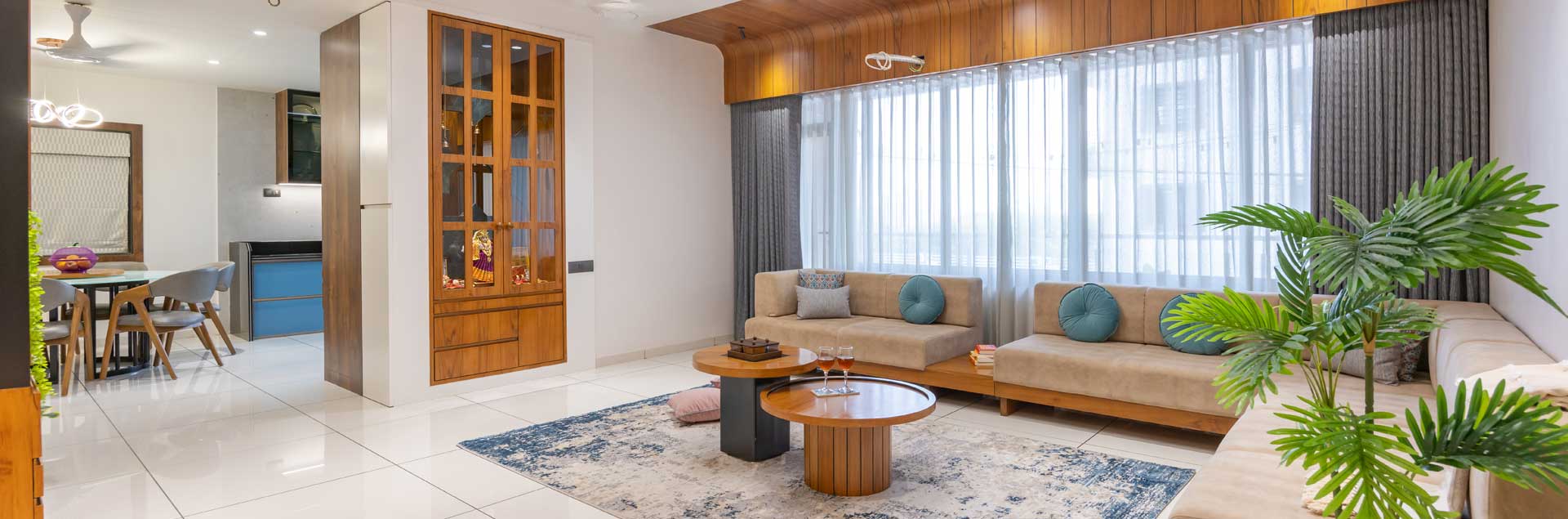
How Your Home’s Layout Affects Your Mental Health
(And How to Fix It)
By Rang Design Studio | Designing for the Mind, Not Just the Eyes
Your home is more than just four walls — it’s a mirror of your emotions, your habits, and your mental wellbeing. At Rang Design Studio, we believe that good design doesn’t just look good — it feels right.
Let’s explore how the layout, lighting, and energy of your space can impact your mood — and what you can do to make it better.
1. Clutter = Chaos
The Problem: Overloaded rooms, no clear zones, and visible clutter overstimulate your mind, making you feel anxious or unproductive.
The Fix:
- Introduce clear pathways and visual breathing room
- Use smart, hidden storage
- Practice minimalism with meaning — keep only what sparks joy or purpose
2. Light Affects Your Life
The Problem: Dim rooms, lack of natural light, or harsh artificial lighting can lead to low energy, poor sleep, and even depression.
The Fix:
- Maximize natural light with large windows, mirrors, and sheer curtains
- Use warm lighting in the evening to signal relaxation
- Choose layered lighting – task, ambient, and mood-specific
3. Flow & Function = Peace
The Problem: A layout that disrupts movement or makes daily routines harder creates subconscious stress.
The Fix:
- Plan a logical layout — bedroom near quiet zones, work zone separate from rest areas
- Ensure smooth circulation, especially in kitchens and living rooms
- Use zoning to define purpose without walls
4. Nature Nourishes
The Problem: Sterile, artificial environments disconnect you from natural rhythms.
The Fix:
- Add plants, natural textures, and earthy materials
- Use biophilic design — balconies, courtyards, or garden nooks
- Bring in nature sounds or fragrances like lavender and sandalwood
5. Colors Impact Emotions
The Problem: Loud colors in rest zones or dull palettes in active spaces affect energy levels.
The Fix:
- Use blues and greens in bedrooms for calm
- Add yellow and coral accents in social or work areas for vibrancy
- Stick to cohesive palettes that match your emotional needs
6. Personalization = Connection
The Problem: Generic or impersonal spaces can make you feel emotionally disconnected from your own home.
The Fix:
- Add elements of your story — family photos, art you love, heirlooms
- Create a comfort corner with items that soothe you
- Design for your habits and lifestyle — not for trends
We design with mental well-being in mind. Every line we draw is with intention — to create spaces that help you breathe better, think clearer, and live fuller.
Because a well-designed home isn’t just a beautiful space —
It’s a safe space for your mind, body, and soul.


14 Comments
itstitle
excerptsa
recherche canadien kamagra
commande en ligne kamagra
get enclomiphene buy adelaide
cheapest buy enclomiphene new york city
order androxal generic mexico
buying androxal generic from the uk
buy flexeril cyclobenzaprine no prescription online
how to order flexeril cyclobenzaprine usa generic
ordering dutasteride purchase australia
foreign drug purchase without prescription dutasteride
discount gabapentin buy dublin
buy gabapentin generic online pharmacy
how to order fildena generic effectiveness
ordering fildena purchase online canada
purchase itraconazole canada how to buy
online order itraconazole cheap online canada
buy cheap generic online staxyn
cheap staxyn buy online usa
buy cheap avodart cheap canada
how to buy avodart retail price
No perscription needed xifaxan
discount xifaxan generic online cheapest
cheapest buy rifaximin generic does it works
buying rifaximin cheap no prescription
bez lékařského předpisu levné kamagra
koupit kamagra online nejlevnější